Understand the Core Differences Between Carpet and Vinyl Flooring
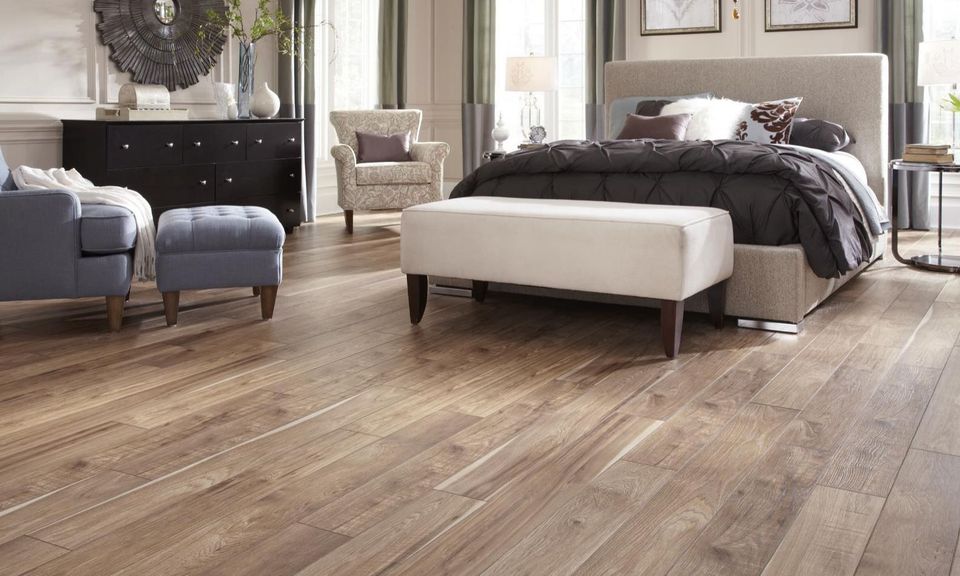
When comparing carpet vs. vinyl flooring, the biggest differences come down to how they’re made, how they feel underfoot, and how they fit into daily life. While both can look great in the right space, they perform very differently once installed.
How Carpet and Vinyl Are Constructed
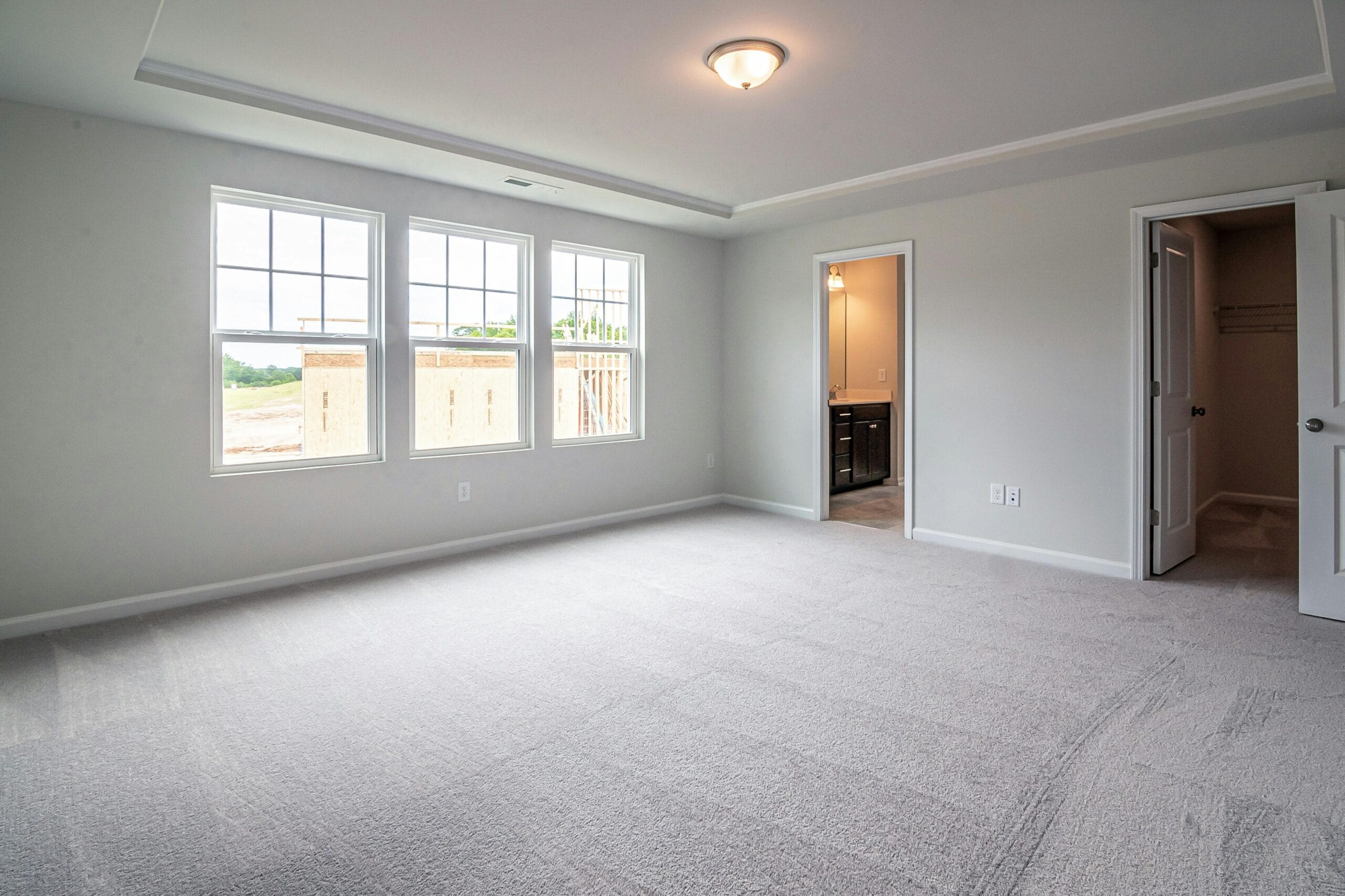
Carpet is a soft surface flooring made from fibers—such as nylon, polyester, or wool—woven or tufted into a backing and installed over padding. That padding plays a major role in comfort, insulation, and noise reduction.
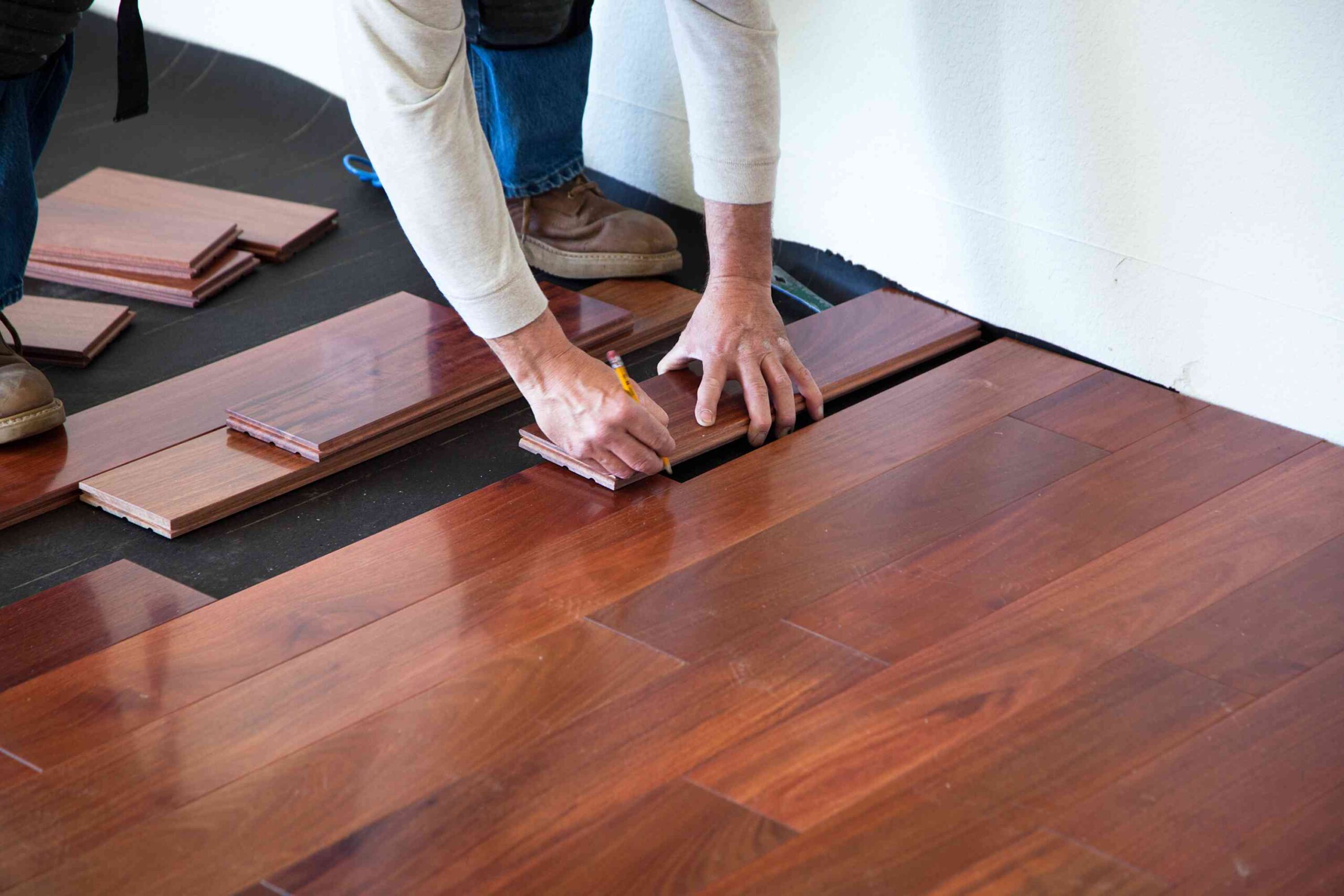
Vinyl flooring, especially luxury vinyl plank (LVP) or tile (LVT), is a multi-layer hard surface product. It typically includes a wear layer for durability, a printed design layer that mimics wood or stone, a waterproof core, and a backing layer for stability. This layered construction is what gives vinyl its durability and moisture resistance.
Soft Surface vs. Hard Surface Living
Carpet delivers warmth, softness, and sound absorption, making it ideal for spaces where comfort matters most. Vinyl, on the other hand, offers a firm, stable surface that’s easier to clean and better suited for areas exposed to spills, pets, or heavy foot traffic.
Why These Two Floors Appeal to Very Different Lifestyles
Carpet tends to appeal to homeowners who value comfort, coziness, and quiet, especially in bedrooms and living areas. Vinyl flooring is often the go-to choice for families who prioritize durability, waterproof performance, and low maintenance, particularly in kitchens, basements, and high-traffic spaces.
Understanding these core differences makes it easier to match the right flooring to how you actually live—not just how you want your home to look.
Top Factors to Consider When Choosing Between Carpet and Vinyl Flooring
Comfort and Feel Underfoot
Carpet provides a soft, cushioned feel that’s comfortable to walk and sit on, especially in colder climates. Vinyl is firmer but can still feel comfortable with the right underlayment or thicker planks.
Water Resistance and Spill Protection
Vinyl flooring is waterproof, making it ideal for spill-prone areas. Carpet absorbs moisture and stains more easily, which limits where it should be installed.
Durability and Daily Wear
Vinyl resists scratches, dents, and wear from pets and kids. Carpet shows wear patterns over time, especially in high-traffic areas, but can feel more forgiving underfoot.
Ease of Cleaning and Maintenance
Vinyl is simple to sweep and mop, while carpet requires regular vacuuming and occasional deep cleaning to maintain appearance and hygiene.
Lifestyle and Room Usage
Your household habits—pets, children, entertaining, and foot traffic—play a major role in determining which flooring performs better long-term.
Carpet vs. Vinyl Flooring Comparison Chart
| Flooring Type | Comfort | Water Resistance | Durability | Maintenance | Best Use Areas |
|---|---|---|---|---|---|
| Carpet | ✅ Very Soft | ❌ Not Water-Resistant | ⚠️ Moderate | ⚠️ Moderate | Bedrooms, living rooms, stairs |
| Luxury Vinyl Plank (LVP) | ⚠️ Firm but Comfortable | ✅ Waterproof | ✅ High | ✅ Easy | Kitchens, basements, hallways |
| Luxury Vinyl Tile (LVT) | ⚠️ Firm | ✅ Waterproof | ✅ High | ✅ Easy | Bathrooms, laundry rooms |
| Plush Carpet | ✅ Maximum Cushion | ❌ Low | ⚠️ Moderate | ❌ Higher | Bedrooms, low-traffic areas |
| Commercial-Grade Vinyl | ❌ Firm | ✅ Waterproof | ✅ Very High | ✅ Very Easy | Rentals, busy households |
Comfort & Feel Underfoot — Warmth, Cushion, and Noise Control
Comfort is one of the biggest deciding factors when choosing between carpet and vinyl flooring—especially for spaces where you walk barefoot, relax, or spend long periods of time standing.
Is Carpet More Comfortable Than Vinyl?
In most cases, yes. Carpet is naturally softer and warmer underfoot thanks to its fiber construction and padding beneath. It absorbs impact, reduces foot fatigue, and creates a cozy feel that’s hard to replicate with hard surface flooring. Carpet also excels at sound absorption, making it ideal for homes where noise control matters.
Vinyl flooring, while firmer, has come a long way in comfort. Thicker luxury vinyl planks with a quality core feel more stable and less “cold” than older vinyl products—but they still don’t offer the same plush cushioning as carpet.
How Vinyl Performs with Area Rugs and Underlayment
One advantage of vinyl flooring is flexibility. Pairing vinyl with area rugs adds softness and warmth exactly where you need it—without sacrificing durability or waterproof performance. Many vinyl products also support attached or added underlayment, which improves sound reduction and makes the floor more forgiving underfoot, especially in upstairs rooms or condos.
This combination allows homeowners to enjoy the clean, durable surface of vinyl while still dialing in comfort.
Best Choice for Bedrooms, Living Rooms, and Upstairs Spaces
Bedrooms: Carpet is often the top choice for its warmth, quietness, and softness first thing in the morning.
Living Rooms: Both options work well—carpet for a cozy, relaxed feel, or vinyl for a cleaner look with added durability.
Upstairs & Second Floors: Carpet helps reduce footstep noise between floors, while vinyl with proper underlayment can still perform well in busy households.
Ultimately, the most comfortable flooring depends on how you use the space and what matters most—plush comfort or versatile performance. A professional flooring consultation can help match the right product to the way your home actually functions.
Durability & Lifespan — Which Flooring Holds Up Better Over Time?
When it comes to long-term performance, durability is often the deciding factor between carpet and vinyl flooring—especially in busy homes with kids, pets, or frequent guests.
How Long Does Carpet Last vs. Luxury Vinyl Plank (LVP)?
On average, carpet lasts 7–10 years before showing visible wear, depending on fiber type, padding quality, and foot traffic. High-quality carpet can last longer in low-traffic areas like bedrooms, but hallways and stairs tend to show wear sooner.
Luxury vinyl plank (LVP) typically lasts 15–25 years when properly installed and maintained. Its multi-layer construction and protective wear layer are designed to handle daily use without breaking down, making it a longer-term investment for many homeowners.
Resistance to Wear, Scratches, and Fading
Carpet is prone to wear paths, matting, and staining in high-traffic areas. Sun exposure can also cause fading over time, especially with lower-quality fibers.
LVP resists scratches, dents, and surface wear far better than carpet. Quality vinyl products are engineered to handle moving furniture, pet activity, and everyday impacts without showing damage. Many also include UV-resistant coatings to minimize fading from natural light.
How Pets and Kids Affect Each Flooring Type
Homes with pets and children put floors to the test. Carpet can trap pet hair, odors, and allergens, and accidents can permanently stain padding underneath. Vinyl flooring, on the other hand, is pet-friendly and kid-proof—it’s waterproof, easy to clean, and doesn’t absorb spills or odors.
For households that value durability and low stress over time, vinyl flooring tends to outperform carpet. That said, combining vinyl in high-traffic areas with carpet in bedrooms can offer the best of both worlds.
Carpet vs. Vinyl Flooring: Durability, Lifespan & Cost Comparison
| Flooring Type | Average Lifespan | Material Cost (Per Sq. Ft.) | Installation Cost (Per Sq. Ft.) | Resistance to Wear & Damage | Best For |
|---|---|---|---|---|---|
| Standard Carpet | 7–10 years | $2 – $4 | $1 – $2 | ⚠️ Moderate (wear paths, stains) | Bedrooms, low-traffic areas |
| High-Quality Carpet | 10–15 years | $4 – $7 | $1.50 – $3 | ⚠️ Moderate–Good (with proper care) | Living rooms, stairs |
| Luxury Vinyl Plank (LVP) | 15–25 years | $3 – $6 | $2 – $4 | ✅ High (scratch & dent resistant) | Kitchens, basements, busy homes |
| Waterproof Rigid Core Vinyl | 20–30 years | $4 – $7 | $2.50 – $5 | ✅ Very High (impact & moisture resistant) | Whole-home installations |
| Commercial-Grade Vinyl | 25–30+ years | $5 – $8 | $3 – $6 | ✅ Excellent (heavy traffic) | Rentals, large families |

Water, Spills & Moisture — A Critical Difference
Water exposure is where the difference between carpet and vinyl flooring becomes most obvious—and most important. Choosing the wrong flooring for moisture-prone areas can lead to stains, odors, or even full replacement.
Why Vinyl Is Waterproof and Carpet Is Not
Luxury vinyl flooring is built with a waterproof core and sealed surface, meaning spills stay on top instead of soaking in. Water can be wiped up without damaging the floor, even if it sits for extended periods.
Carpet, by contrast, is absorbent by nature. Liquids soak through the fibers and into the padding and subfloor below. Even quick cleanup doesn’t always prevent moisture from lingering underneath, which can lead to odors, mold growth, or permanent staining.
Best Flooring for Basements, Kitchens, and Bathrooms
Vinyl flooring is the clear winner for areas where moisture is unavoidable:
Basements: Handles humidity and occasional water intrusion better than carpet
Kitchens: Stands up to spills, splashes, and daily cleanup
Bathrooms & laundry rooms: Waterproof performance prevents long-term damage
Carpet is best reserved for dry, controlled environments like bedrooms and formal living spaces where moisture exposure is minimal.
What Happens When Carpet Gets Wet (and When Replacement Is Required)
When carpet gets wet—from a spill, leak, or flood—the damage often goes deeper than the surface. If moisture reaches the padding or subfloor and isn’t fully dried within 24–48 hours, replacement is usually required to prevent mold and odor issues. In many cases, even professional cleaning can’t fully restore water-damaged carpet.
For homeowners concerned about spills, pets, or unexpected leaks, vinyl flooring offers peace of mind that carpet simply can’t match.
Maintenance & Cleaning — Daily Life with Carpet vs. Vinyl
How much time and effort you’re willing to spend cleaning your floors should play a big role in choosing between carpet and vinyl. Day-to-day maintenance is where many homeowners feel the difference most.
Vacuuming vs. Sweeping & Mopping
Carpet requires regular vacuuming to remove dust, dirt, and debris that settle deep into the fibers. In busy households, this often means multiple times per week—especially with pets or children.
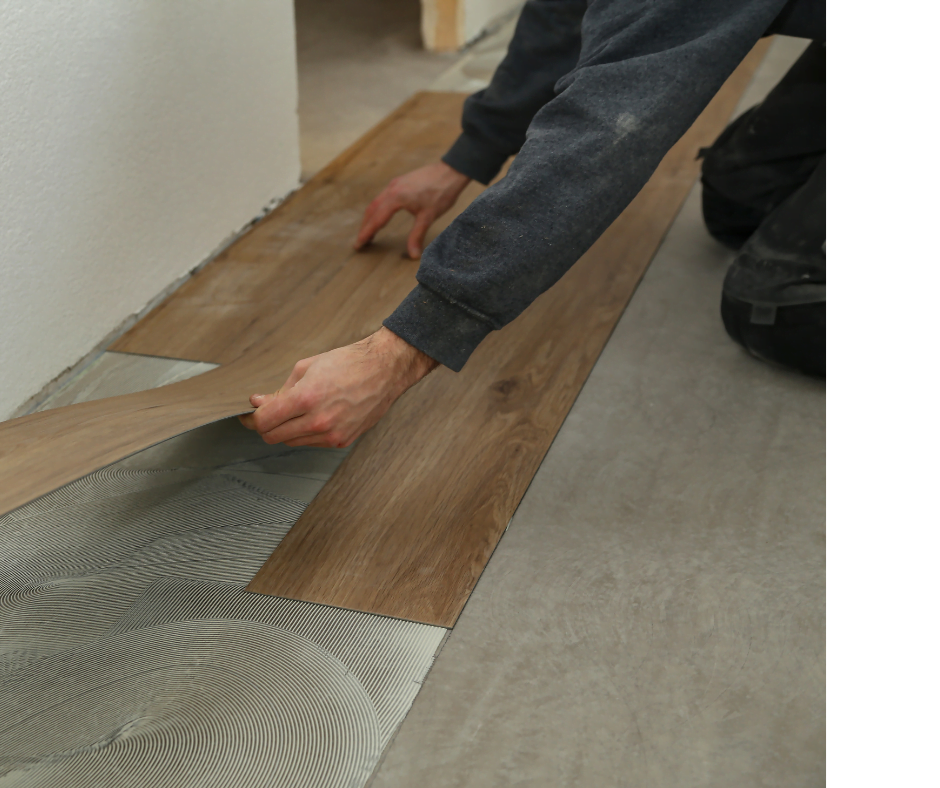
Vinyl flooring is far simpler to maintain. Sweeping or vacuuming followed by occasional mopping is usually all it takes to keep the surface clean. Dirt stays on top rather than getting trapped, making everyday cleanup quicker and less labor-intensive.
Stain Resistance and Spill Cleanup
Spills on carpet demand immediate attention. Even then, liquids can soak into the padding, leading to lingering stains or odors. Over time, high-traffic areas can also discolor or flatten, making the floor look worn.
Vinyl flooring is non-porous and stain-resistant. Most spills wipe up easily without leaving marks, and vinyl won’t absorb odors. This makes it especially appealing for homes with pets, kids, or frequent entertaining.
Which Flooring Is Easier to Keep Looking New?
Vinyl clearly wins when it comes to maintaining a like-new appearance. Its wear layer protects against scratches and fading, and consistent cleaning keeps it looking fresh for years.
Carpet can still look great, but it requires more ongoing care, including professional deep cleaning every 12–18 months to maintain appearance and hygiene.
For homeowners looking for low-maintenance flooring that fits into a busy lifestyle, vinyl offers a clear advantage over carpet.
Cost Breakdown — Carpet vs. Vinyl Flooring
Cost is often the final deciding factor when choosing between carpet and vinyl flooring, but it’s important to look beyond the upfront price. Installation, maintenance, and replacement timelines all affect the true cost over time.
Average Material Costs per Square Foot
Carpet generally has a lower upfront cost, with materials averaging $2–$4 per square foot for standard options and $4–$7 per square foot for higher-quality fibers. Carpet padding is usually an additional cost and plays a major role in comfort and longevity. For a more detailed breakdown of carpet types, padding options, and real-world pricing, homeowners can explore our Carpet Flooring Cost Guide.
Luxury vinyl plank (LVP) materials typically range from $3–$6 per square foot, with premium waterproof or rigid core vinyl reaching $7 or more per square foot. While vinyl costs more initially, its layered construction and durability often make it a smarter long-term investment. Our Vinyl Flooring Cost Guide dives deeper into LVP pricing, wear layers, and what affects overall vinyl flooring costs.
Installation Cost Differences
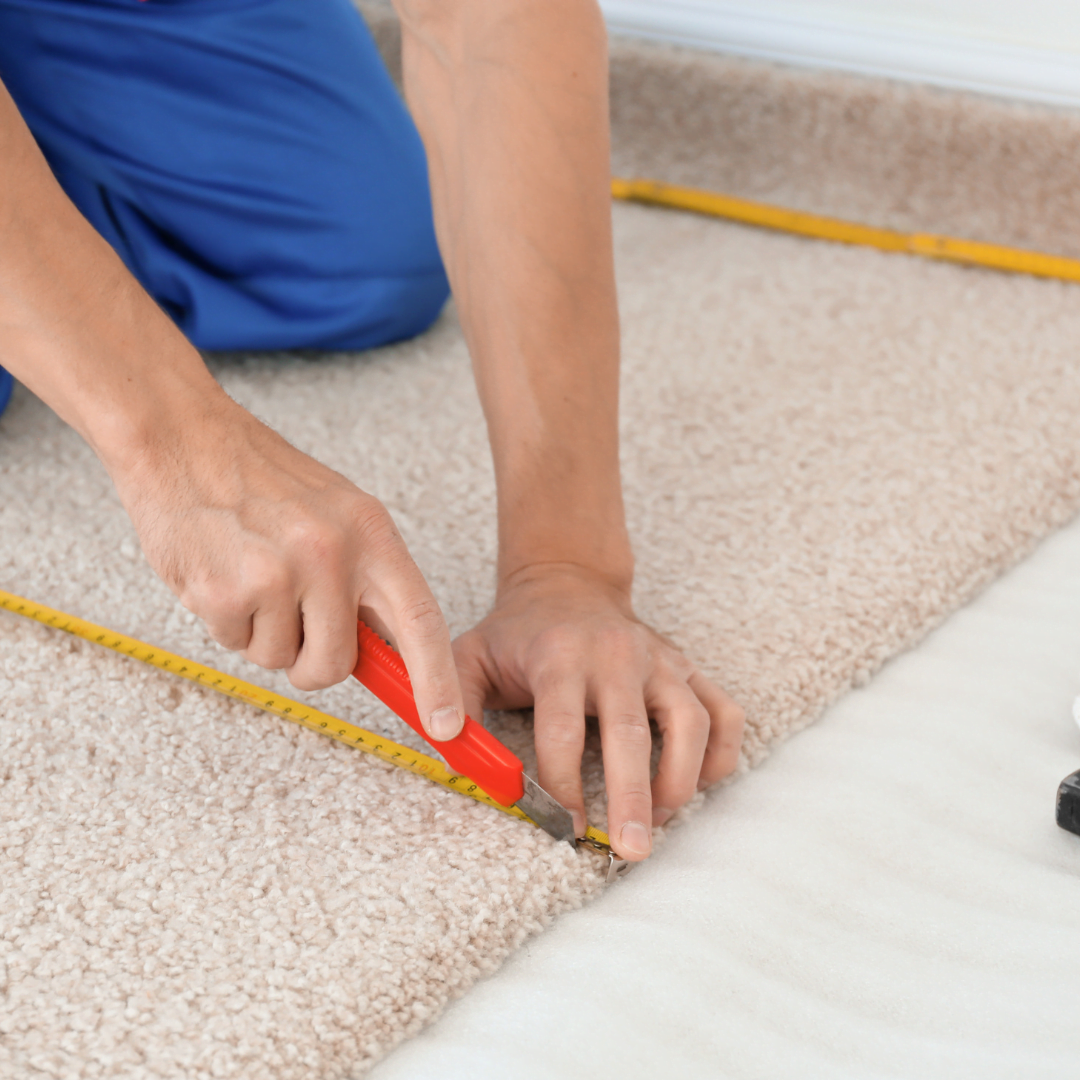
Carpet installation is typically less expensive and faster, averaging $1–$3 per square foot, depending on room layout and removal of old flooring.
Vinyl flooring installation costs slightly more—usually $2–$5 per square foot—because it requires precise subfloor prep, leveling, and detailed cutting. However, vinyl’s installation quality plays a major role in long-term performance.
Long-Term Cost of Ownership
Carpet may need replacement every 7–10 years, especially in high-traffic areas, and often requires professional deep cleaning to maintain appearance. Vinyl flooring can last 15–25 years or more with minimal maintenance and rarely needs repair or replacement.
When evaluated over 15–20 years, vinyl often proves more cost-effective, despite its higher upfront cost—especially for households with kids, pets, or heavy daily use.
A professional flooring estimate can help you compare real-world costs based on your space, usage, and long-term plans.
Carpet vs. Vinyl Flooring: Cost & Long-Term Value Comparison
| Flooring Type | Material Cost (Per Sq. Ft.) | Installation Cost (Per Sq. Ft.) | Average Lifespan | Maintenance & Repair Costs | Long-Term Value |
|---|---|---|---|---|---|
| Standard Carpet | $2 – $4 | $1 – $2 | 7–10 years | ❌ Higher (deep cleaning, replacement) | ⚠️ Moderate |
| High-Quality Carpet | $4 – $7 | $1.50 – $3 | 10–15 years | ⚠️ Moderate | ⚠️ Moderate–Good |
| Luxury Vinyl Plank (LVP) | $3 – $6 | $2 – $4 | 15–25 years | ✅ Low | ✅ High |
| Rigid Core Waterproof Vinyl | $4 – $7 | $2.50 – $5 | 20–30 years | ✅ Very Low | ✅ Very High |
| Commercial-Grade Vinyl | $5 – $8 | $3 – $6 | 25–30+ years | ✅ Minimal | ✅ Excellent |

Common Mistakes to Avoid — Pro Tips for Choosing Carpet vs. Vinyl
One of the biggest mistakes homeowners make when choosing between carpet and vinyl flooring is focusing on price alone. While upfront cost matters, it often leads to higher expenses down the road if the flooring doesn’t match the room, moisture conditions, or daily use. Another common oversight is ignoring moisture levels—installing carpet in basements or high-spill areas can quickly result in odors, stains, or full replacement. Many homeowners also underestimate how much lifestyle and foot traffic impact flooring performance, especially in homes with kids, pets, or frequent guests.
Flooring experts recommend taking a more strategic approach. In many homes, the best solution isn’t choosing one floor type—it’s mixing carpet and vinyl where each performs best, such as vinyl in high-traffic and moisture-prone areas, and carpet in bedrooms or upstairs spaces for comfort and noise control. Investing in higher-quality carpet padding or a thicker vinyl wear layer can dramatically improve comfort, durability, and lifespan. To future-proof your flooring choice, think about how your household may change over the next 5–10 years—pets, kids, resale plans—and select materials designed to handle more than just today’s needs.
Click here to schedule your free in-home consultation and let’s take the next step toward the perfect floor for your space.